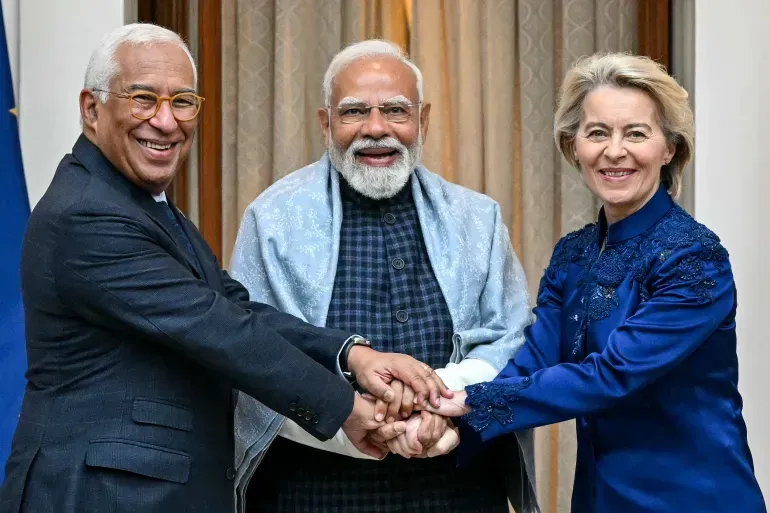
India EU Free Trade Agreement
India EU Free Trade Agreement
Why This “Mother of All Deals” Matters for Indian Exporters
Prime Minister Narendra Modi recently described the India EU Free Trade Agreement as the “mother of all deals.”
This is not political language. It reflects the economic scale and long term impact of this agreement.
For Indian exporters, especially MSMEs, this deal changes how Europe will source products in the coming years.
The scale behind the deal
India and the European Union together account for
• Around 25 percent of global GDP
• Nearly one third of global trade
The EU alone imports over USD 6 trillion worth of goods every year.
India’s share in EU imports is still below 3 percent.
That gap is the opportunity.
The agreement is designed to increase trade flows, investments, and manufacturing partnerships between India and Europe over the long term.
Why Europe is pushing this agreement now
European buyers are actively restructuring supply chains.
The main drivers are:
• Reducing dependence on a single sourcing country
• Building resilient and diversified supply chains
• Working with stable and scalable manufacturing partners
India fits this requirement well due to its manufacturing depth, cost advantage, and growing compliance ecosystem.
That is why negotiations restarted in 2022 and gained speed.
This is not just a goods agreement
The India EU FTA goes far beyond import export duties.
It covers:
• Trade in services
• Investment protection
• Sustainability and ESG standards
• Digital trade rules
• Regulatory cooperation
These areas decide who stays on approved supplier lists, not just who gets one order.
For exporters, this means paperwork, compliance, and consistency matter as much as pricing.
Which Indian sectors benefit directly
Some sectors are clearly positioned to gain early advantages:
• Textiles and apparel
• Gems and jewellery
• Leather goods
• Manufacturing linked exports
But benefits will not come automatically.
Exporters who benefit usually have:
• Clear product positioning
• Understanding of EU compliance and documentation
• Ability to supply consistently
• A long term approach to buyer relationships
Why timing matters now
India is aligning multiple trade agreements:
• India EU FTA
• India UK trade agreement
• Agreement with EFTA countries
At the same time, India is targeting USD 1 trillion in exports by 2030 and over USD 100 billion in manufacturing and energy investments.
European buyers are already reviewing suppliers and restructuring sourcing strategies.
Exporters who prepare early usually remain suppliers longer.
The real lesson for exporters
Trade agreements do not create sales by themselves.
Prepared exporters convert agreements into business.
What matters most:
• Consistent sales and follow up process
• Clear understanding of product, market, and legal readiness
• Discipline in execution
Export success is rarely about speed.
It is about structure and consistency.
Final thought
The India EU Free Trade Agreement is a structural opportunity, not a short term event.
Exporters who invest time now in building a consistent export sales process will benefit more steadily as EU sourcing expands.
If you want to understand how to build a consistent and structured export sales process, you can explore more here:
👉 https://www.consultkriba.com/
This is the phase where preparation decides position.
