US–India Tariff Cut: What It Really Means for Indian Exporters
US–India Tariff Cut: What It Really Means for Indian Exporters
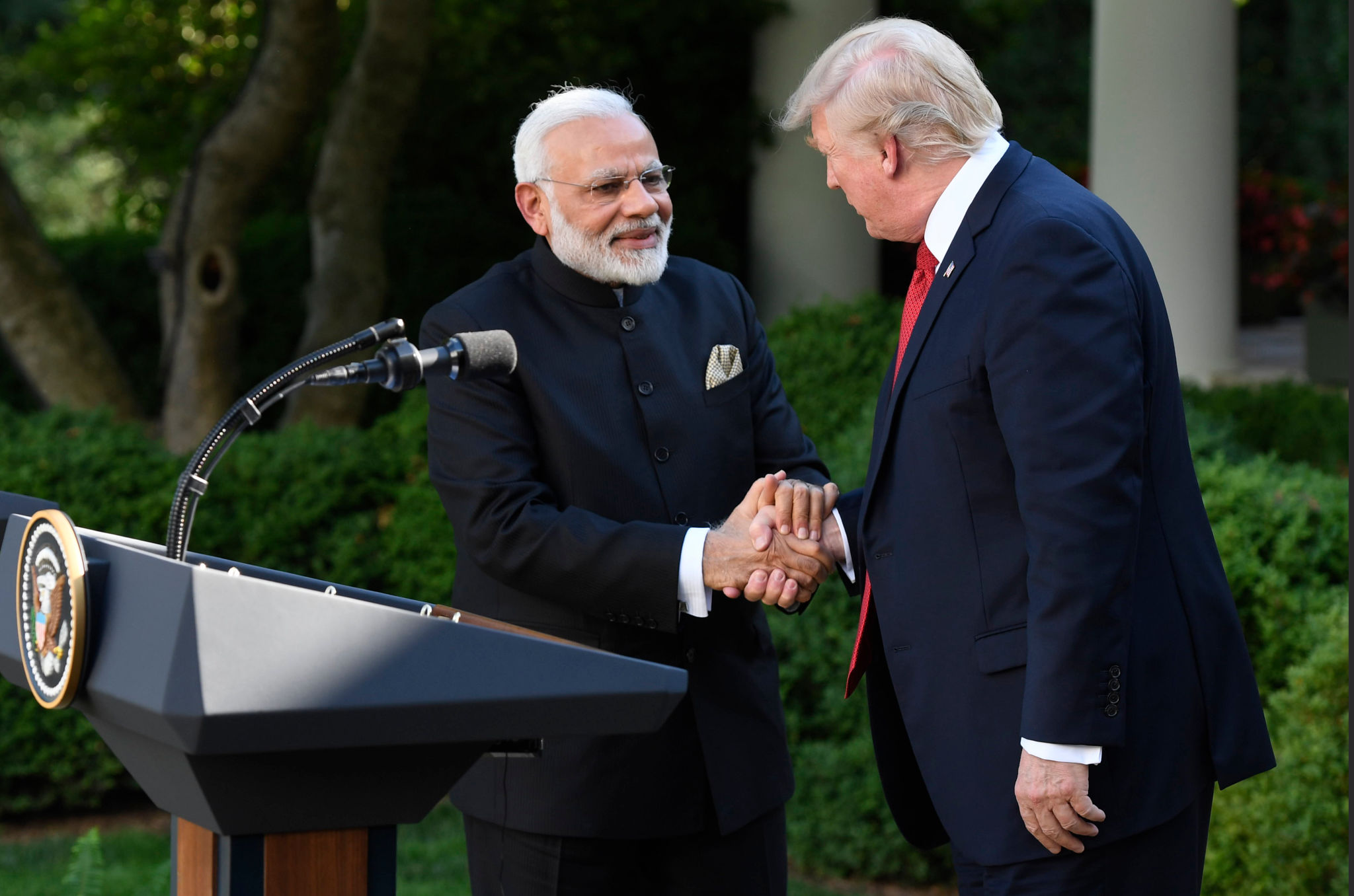
The United States has reduced reciprocal tariffs on Indian imports from 25 percent to 18 percent, following discussions between Donald Trump and Narendra Modi.
The change is effective immediately.
On the surface, this looks like a clear win for Indian exporters. In reality, it is a strategic trade adjustment with conditions, not a blanket advantage.
The Clause That Matters
This tariff reduction is linked to a key commitment from India:
India will end purchases of discounted Russian oil, a move aligned with US pressure to limit funding linked to the Ukraine conflict.
In exchange:
US tariffs on Indian goods are reduced
India will gradually ease tariff and non-tariff barriers
India will significantly increase imports from the US in energy, technology, and agriculture
Both sides are working toward a $500 billion bilateral trade target
No detailed agreement text has been released yet. Current clarity comes from official statements and public posts made around February 1–2, 2026.
What Changes for Indian MSME Exporters
Lower tariffs improve price positioning at the border. That is all.
They do not change how US buyers evaluate suppliers.
US importers will still look at:
Final landed cost after freight and duties
Product consistency and quality control
Regulatory and documentation compliance
Supplier reliability over multiple orders
Geopolitical and supply chain stability
Tariffs influence competitiveness. They do not replace trust.
A Reality Check
Exporters who rely on policy relief for growth are exposed. Trade policies can shift faster than production cycles.
Exporters who operate with:
Clear product positioning
Well-defined buyer segments
Strong legal and compliance readiness
A repeatable, disciplined sales process
will benefit from this environment. Others will see limited impact.
The Bigger Picture
This move signals deeper US–India economic alignment. It opens doors. It does not carry exporters through them.
For Indian MSMEs, the message is simple and direct:
Policy creates opportunity. Execution converts it into revenue.
Those prepared with structure and systems will gain.
Those chasing headlines will struggle to convert attention into orders.
