AYUSH Exports to Europe: From Green Gold to Global Trust
AYUSH Exports to Europe: From Green Gold to Global Trust
What Indian MSMEs Must Get Right (and Why Most Still Get It Wrong)
“India is a treasure trove of herbal plants, it is, in a way our Green Gold.”
— Narendra Modi
India’s AYUSH sector has reached a clear inflection point.
What was once driven largely by tradition and domestic consumption is now entering regulated, data-driven global markets, especially Europe. This shift brings a hard reality for MSME exporters.
Europe does not buy belief. Europe buys proof.
This blog explains what the opportunity really looks like and what Indian exporters must do to convert it into sustainable export business.
Europe’s Growing Appetite for AYUSH Products
The European Union is no longer a niche destination for Ayurveda and herbal products. It is emerging as one of the most structured and high-value markets for AYUSH exports.
The numbers tell the story
In 2023–24, India’s AYUSH and herbal exports crossed USD 652 million, with Europe contributing a strong share:
Demand is being driven by lifestyle-related health issues, preventive healthcare, clean-label supplements, and long-term wellness consumption.
Products such as ashwagandha, turmeric, triphala, tulsi, shatavari, and even niche ingredients like shilajit are now actively sourced by European buyers.
The India–EU Free Trade Agreement Changed the Landscape
The India–EU Free Trade Agreement, concluded on 27 January 2026, is a structural milestone for AYUSH exports.
It recognises AYUSH systems and improves access for herbal products, nutraceuticals, and wellness services through stronger cooperation on SPS and TBT measures.
However, the agreement does not lower standards.
It simply rewards exporters who are already compliant, disciplined, and prepared.
Product Specifications Decide Entry, Not Marketing
For European buyers, the first filter is safety, composition, and documentation.
Here are examples of what exporters must be ready with.
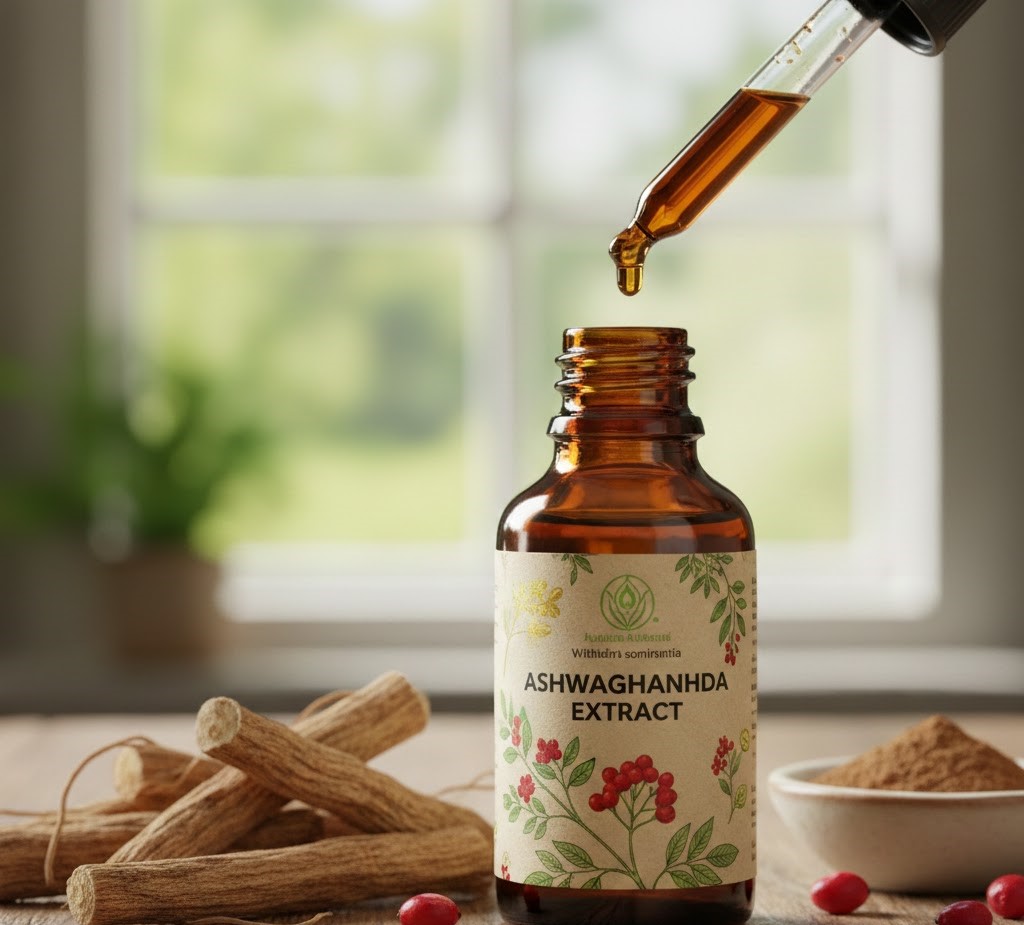
Ashwagandha requires withanolides typically in the range of 2.5 to 5 percent, supplied as root powder or extract. It is treated as a food supplement, appears on BELFRIT and German positive lists, and must be supported by a proper TDS and CoA.
Turmeric and curcumin exports require curcuminoids of around 95 percent, strict lead limits, and careful control of claims. Digestive benefits are acceptable, disease claims are not.
Triphala is accepted only as a food product, not as a medicine, and demands strong contaminant and microbiology control with complete documentation.
Tulsi products must be pesticide-free and checked against EU herbal monographs.
Shatavari exports usually require saponins of 20 percent or more, with tight residue limits and clear origin certification, particularly due to its positioning in women’s health categories.
Shilajit, being less common in Europe, requires very high purity, fulvic acid levels of around 50 percent, and strong microbiological data supported by CoA and SDS.
This is why NABL-accredited testing and batch-level traceability are no longer optional for exporters, especially in manufacturing hubs like Chennai.
Why Many MSMEs Still Struggle in Europe
Despite strong demand, many MSMEs fail because they rely on Indian approvals instead of understanding EU classification, overstate health claims, ignore traceability, or treat AYUSH like FMCG rather than a regulated wellness category.
In Europe, even one RASFF alert can permanently damage supplier credibility.
That is why serious exporters closely track regulatory updates and alerts through institutions such as Pharmexcil and EU safety systems.
AYUSH Exports Reward Systems, Not Shortcuts
AYUSH exports favour exporters who think long-term and operate with discipline across product, market selection, legal compliance, marketing credibility, sales follow-ups, and shipment execution.
Without systems, leads go cold, follow-ups break, documentation gaps appear late, and buyers quietly move on.
The Consult Kriba Perspective
At Consult Kriba, we see AYUSH exports succeed only when credibility is built into daily operations, not just marketing language.
Our focus is not limited to finding buyers. It is about helping exporters manage the entire sales and compliance journey in a structured way.
Our Sales App helps exporters track global buyer conversations, manage follow-ups consistently, align product specifications and documents, and close serious buyers from one place.
Because in markets like Europe, opportunities rarely disappear overnight.
They are usually lost due to missed follow-ups, weak systems, or lack of readiness.
For AYUSH exporters, the question is no longer whether demand exists.
The real question is whether your business is structured enough to earn trust at scale.
